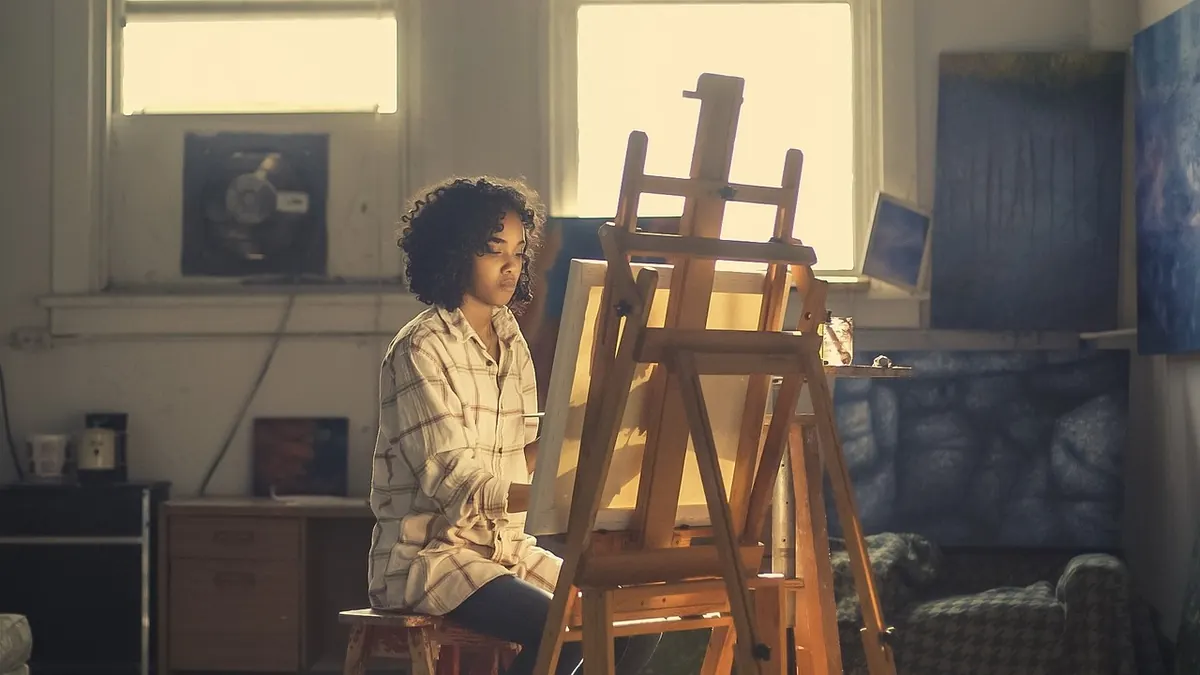
Paint, brushes, a surface, somewhere to put the mess. That is the whole list, in theory. In practice, the first trip to an art shop raises a dozen small questions — acrylic or oil, cotton or linen, one brush or six — and most beginners answer them by buying far too much. This checklist narrows it down to what you genuinely need for a first canvas, plus the habits that keep a small home workspace usable week after week.
Choose acrylics for your first canvas
Acrylics are the sensible starting point. They dry quickly, thin with water, clean up without solvents and behave well on almost any primed surface. Oils are lovely, but they need ventilation, mineral spirits or similar, and days of patience — better as a second step, once you know you enjoy the process.
Resist the temptation to buy twenty tubes. A limited palette forces you to mix, which is where the real learning happens. Six colours plus white will take you a long way:
- Titanium white — buy this in the largest tube
- A yellow, such as hansa yellow or lemon yellow
- A warm red, such as cadmium red hue or pyrrole red
- Ultramarine blue
- A cool blue, such as phthalo blue
- Burnt sienna — a warm brown that mixes useful greys
- Optional: a black, though you can mix dark neutrals from the colours above
Student-grade paint is fine to learn with; artist-grade versions of the same colour are more pigment-dense, so you use less. Heavy-body acrylics hold brush marks, while soft-body ones flow and suit thin washes. Either works. Just avoid the tiny starter sets with dozens of small tubes — they dry out before you get to know them.
Build a brush set that covers most marks
You need fewer brushes than the displays suggest. Five synthetic brushes will cover a first painting comfortably — synthetic holds up better with acrylics than natural hair, which absorbs water. A 1-inch flat for blocking in, a half-inch flat, a size 6 round, a size 10 round or filbert for soft shapes, and one small round, size 2 or so, for edges. Add a cheap decorator's brush for applying gesso later on.
Two habits matter more than brand. Never leave brushes standing in water, as it bends the bristles and eventually loosens the ferrule. And wash them the moment you stop painting, not after dinner. Acrylic paint sets hard and turns into something close to plastic.
Pick a surface and prepare it
Stretched cotton canvas and canvas board both work. Board is cheaper, rigid and easy to prop on a table; stretched canvas has a springier surface and usually arrives ready primed. Start at a modest size. Around 30 x 40 cm is generous enough to move your arm and small enough to finish in a couple of sittings.
Check the label for "primed" or "triple primed". If you buy unprimed cotton, seal it with two thin coats of gesso, sanding lightly between coats. Cheap canvas board sometimes drinks paint; an extra coat of gesso gives you a slightly smoother surface that is easier to work on. If you intend to use oils, read the label carefully — acrylic-primed surfaces are widely used, but some oil painters prefer an oil-based primer, so check what your chosen surface recommends.
Set up a workspace you can leave and come back to
You do not need a studio. A corner with a table, decent light and something to protect the floor will do. Work near a window but out of direct sun, which shifts the colours you see and dries acrylics faster than you would like. Add a lamp with a daylight bulb for evening sessions.
Worth having within reach: a jar or two of water, a roll of kitchen paper, a few cotton rags, a palette (a flat plastic tray or an old plate works), a spray bottle for misting paint, and an apron. Tape a bin bag or a plastic sheet under your work area. Keep the space away from food, and if anyone in the house has sensitive lungs or skin, keep ventilation in mind — a sensible precaution rather than something to worry about.
Clean up as you go
Cleanup is where beginners lose enthusiasm. Small routines prevent that.
- Wipe excess paint off brushes with a rag before rinsing — it saves water and clogs drains less.
- Wash brushes with warm water and a little soap, working lather into the bristles, then reshape them and dry flat or bristles-up.
- Scrape the palette with a knife while the paint is still wet. Dried acrylic peels off plastic easily, but it is dull work.
- Never pour oil paint, solvents or rinsing sludge down the sink. Collect it and dispose of it according to your local household waste guidance.
- Keep a damp sponge in a lidded tray as a makeshift stay-wet palette for acrylics.
Your first painting, step by step
- Tone the canvas with a thin wash of dilute burnt sienna or yellow ochre, then let it dry.
- Sketch the big shapes lightly with thinned paint. No detail yet.
- Block in the darkest and lightest areas first, then fill the mid-tones.
- Work from large brushes to small, wide areas to fine ones.
- Step back every fifteen minutes. Distance reveals mistakes faster than squinting.
- Stop while you still like it. You can always add another session tomorrow.
Keep the first one small and finish it
An unfinished painting teaches less than a finished, slightly flawed one. Set a modest goal: one object, one simple scene, one colour study. If the result disappoints you, that is normal — the first canvas is a test of materials and habits, not talent. Once it is dry, you can paint over it with a coat of gesso and use the same surface again, or keep it as a marker of where you started. Buy the next canvas, repeat the routine, and the decisions get quicker every time.
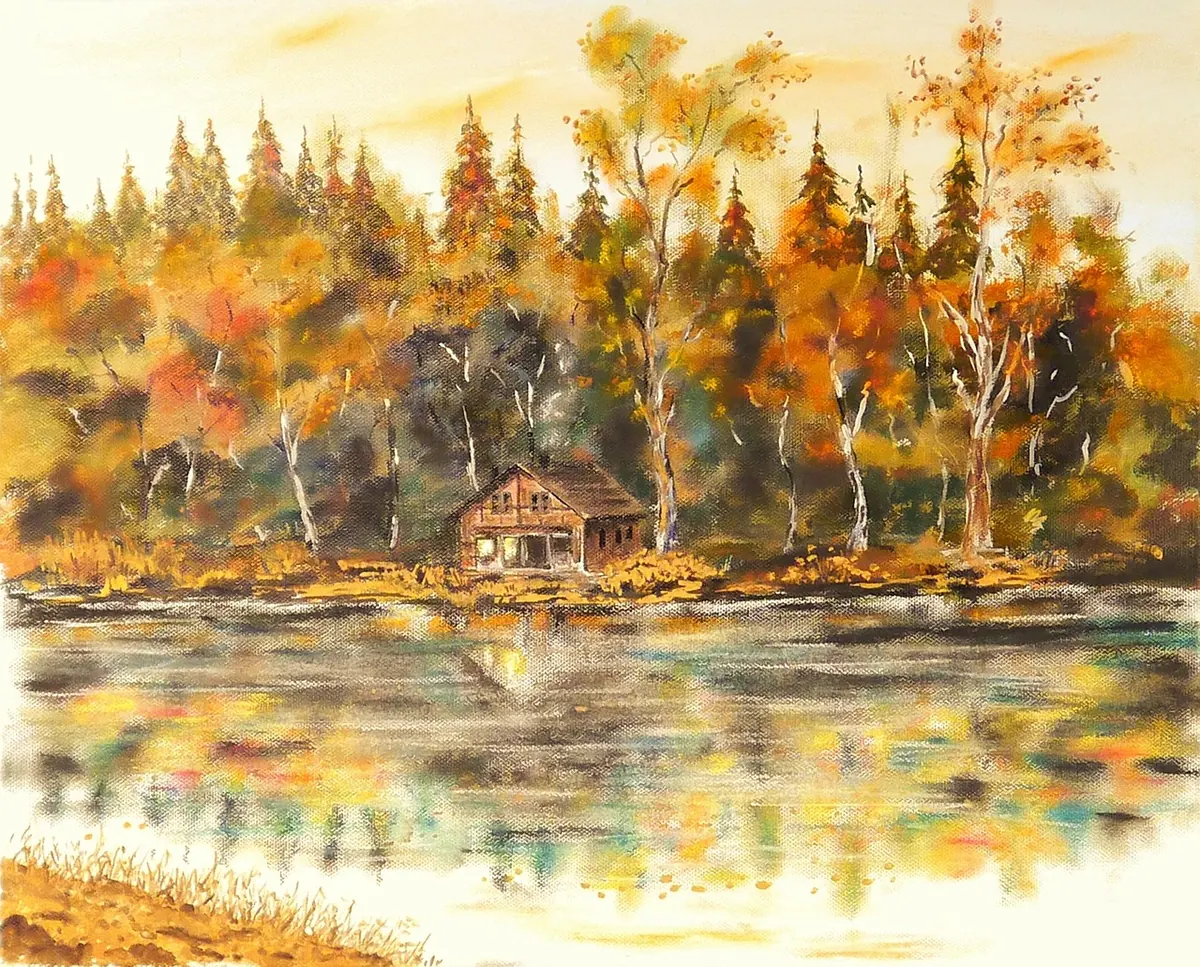
Photo: bridgesward / Pixabay